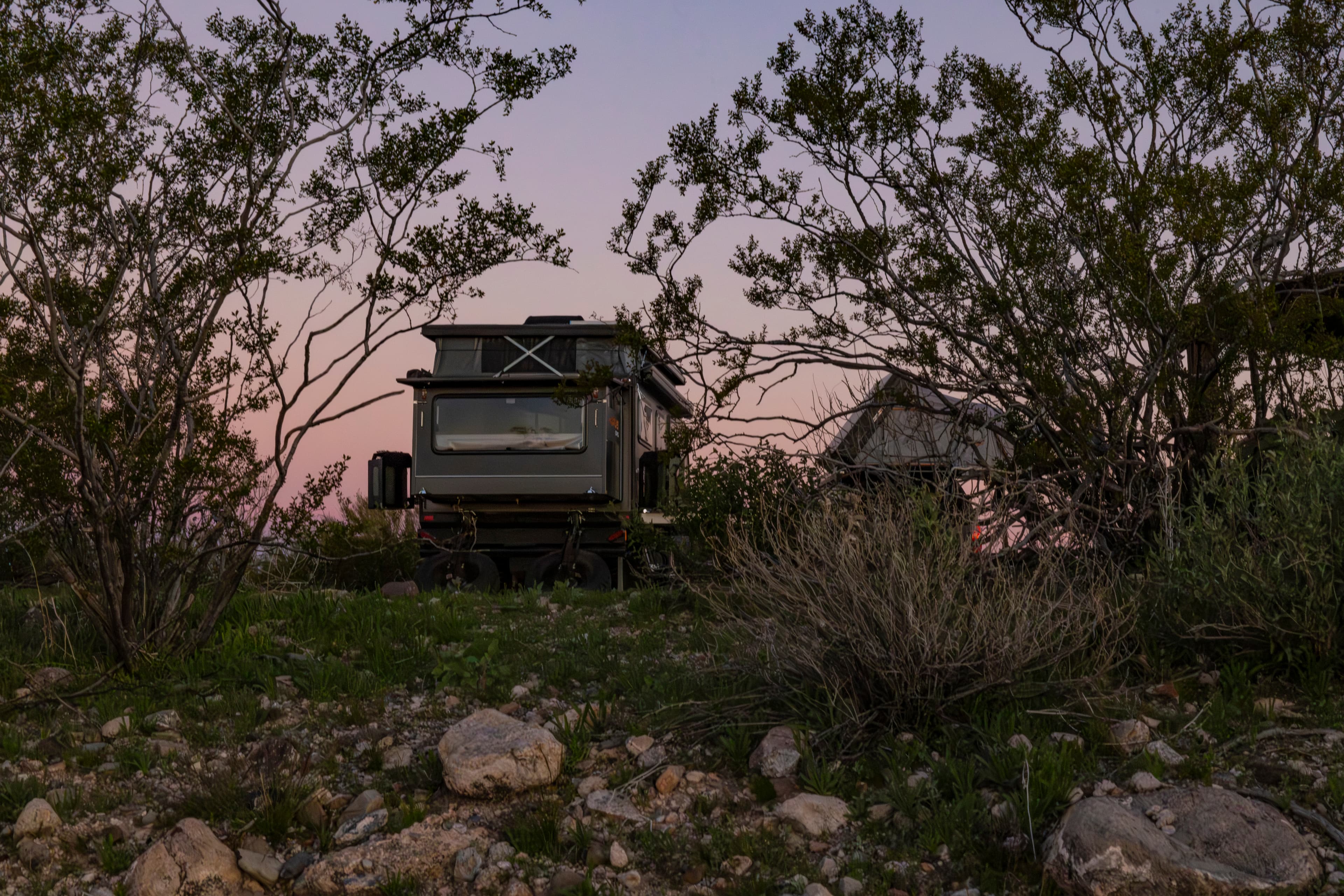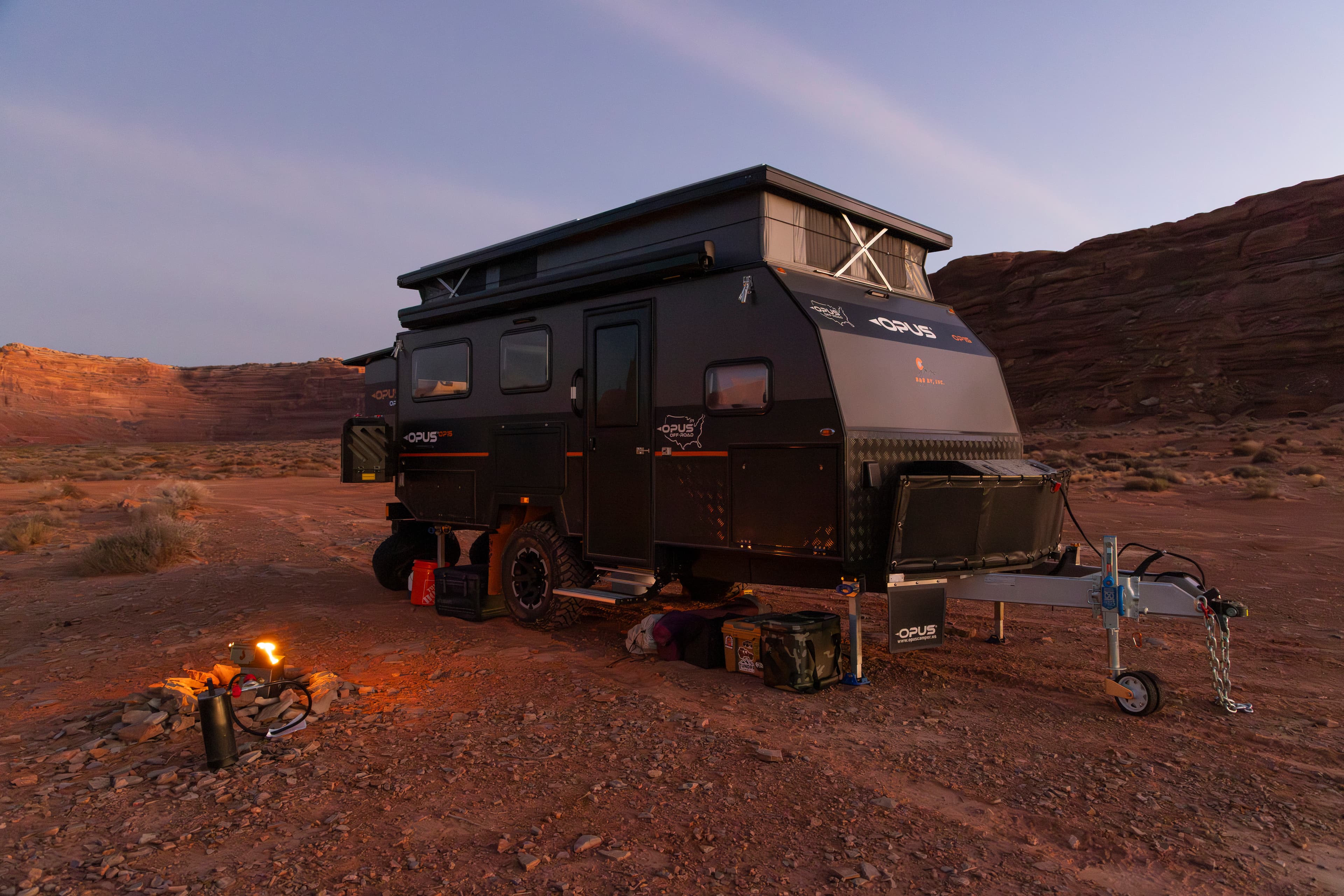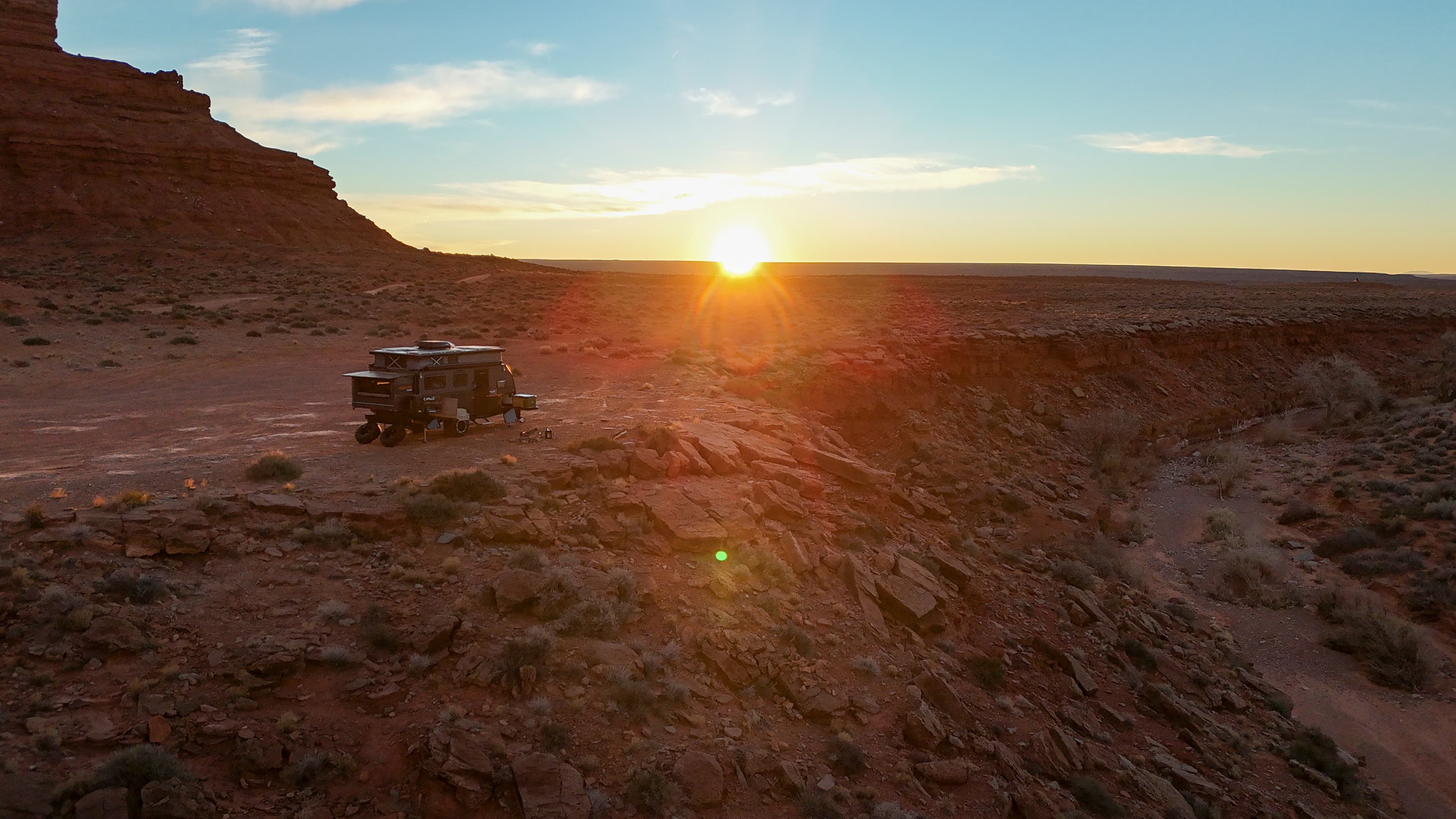
Off-road camper trailers have come a long way from bare-bones setups that left you battling the elements. Today, you can tow a rugged trailer deep into the backcountry and still sleep like you're at a cabin resort. OPUS Camper gives you exactly that combination—tough off-road capability paired with fast setup and genuine comfort for families.
If you've been researching off-road camper trailers for long backcountry trips, you know the choices can feel overwhelming. This guide breaks down nine options that handle rough terrain, foul weather, and extended off-grid stays. You'll see what each camper does well, where it falls short, and which one earns the top spot for comfort in 2026.
Quick guide: 9 best off-road campers for comfort in 2026
- OPUS Camper: The best off-road camper for fast setup and all-weather family comfort
- Black Series: A hard-sided option with extended off-grid capability
- No Boundaries Campers: Compact teardrop design for couples and smaller tow vehicles
- inTech RV: Aluminum construction for durability in harsh conditions
- TAXA Outdoors: Modular design for customized camping setups
- MDC USA: Australian-inspired builds with off-road suspension packages
- Boreas Campers: Weather-resistant shells for year-round camping
- Off Grid Trailers: Expedition-ready platforms for remote exploration
- Jayco: Established name with accessible entry into off-road camping
How we chose the best off-road campers for backcountry comfort
Finding the right off-road camper means balancing towing ease, weather protection, interior space, and the ability to stay off-grid for days. We looked at trailers that families and outdoor travelers actually trust on dirt roads and in unpredictable conditions.
- Setup speed: When you arrive at camp after a long day of driving, the last thing you want is a 45-minute assembly process. We prioritized campers that get you relaxing faster.
- Weather resilience: Rain, wind, and temperature swings shouldn't ruin your trip. The campers on this list protect you from the elements without sacrificing ventilation.
- Off-road suspension: Backcountry roads punish weak trailers. We evaluated independent suspension systems, articulating hitches, and ground clearance for rough terrain.
- Interior comfort: Sleeping space, headroom, and livable layouts matter when you're spending multiple nights in your camper.
- Off-grid capacity: Solar panels, battery systems, and water storage determine how long you can stay away from hookups.
- Towing weight: Not everyone drives a heavy-duty truck. We included options for mid-sized SUVs and lighter tow vehicles.
The 9 best off-road campers for comfort in 2026
1. OPUS Camper: Best overall off-road camper for family comfort
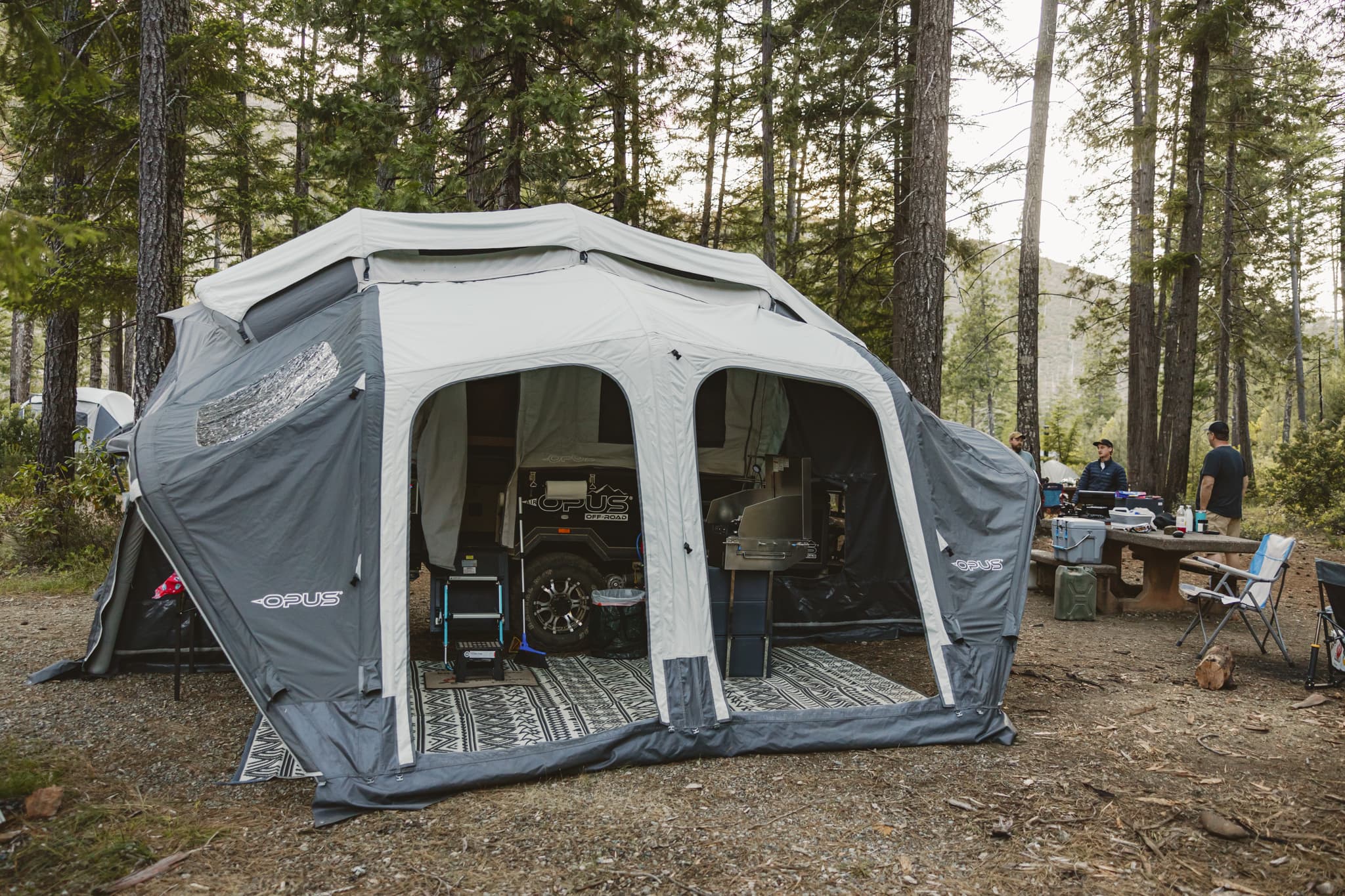
OPUS Camper has earned its reputation as the go-to choice for families who want off-road capability without sacrificing comfort. The patented AIR tent technology inflates in under 90 seconds, which means you're set up and relaxing while others are still wrestling with poles and stakes.
What sets OPUS Camper apart is the combination of tough construction and thoughtful interior design. The high ceilings—reaching up to 8 feet when deployed—give you standing room that most off-road trailers simply can't match. OPUS Camper builds each unit with weather-resistant polycotton fabric, waterproof floors, and UV protection that holds up in harsh conditions.
The off-road suspension package handles rough backcountry roads with independent trailing arms, dual shock absorbers, and a Cruisemaster DO35 articulating hitch. This means your camper tracks smoothly behind you on washboard roads and rocky trails. OPUS Camper models range from the lightweight OP LITE (towable by Jeeps) to the spacious OP17 with dual kitchens and a full indoor bathroom.
OPUS Camper features
- 90-second AIR inflation: Skip the manual setup. OPUS Camper's air beam system inflates with a built-in compressor, so you can focus on exploring instead of assembling.
- Slide-out stainless steel kitchen: A 4-burner stove, sink, and 12V fridge give you a full outdoor cooking setup without cramping your interior space.
- Off-grid solar and battery systems: Models like the OP15 and OP17 include up to 600 watts of solar and 810ah lithium batteries for multi-day stays without hookups.
- All-terrain suspension: Independent trailing arm coil springs and dual shocks absorb the bumps on dirt roads, protecting both your cargo and your comfort.
- Flexible sleeping configurations: From the OP LITE's queen bed to the OP17's king bed plus bunks, OPUS Camper fits couples, families, and groups.
- Weather-sealed construction: Aluminium Dibond walls, polystyrene insulation, and finned seals keep rain and wind outside where they belong.
OPUS Camper pros and cons
Pros:
- Fastest setup time of any folding camper with AIR inflation technology
- High ceilings and spacious interiors that feel like a cabin, not a tent
- Robust off-road suspension that handles rough terrain without trailer sway
Cons:
- Folding design requires slightly more care when packing up in wet conditions compared to hard-sided models
- Some configurations may require dealer installation for optional accessories
- Larger models like the OP17 need a mid-sized SUV or truck for towing
2. Black Series: Hard-sided option with extended off-grid capacity
Black Series builds hard-sided off-road caravans with a focus on extended off-grid stays. The construction includes insulated composite walls and rooftop solar integration for multi-week trips away from power hookups.
The suspension systems handle rough terrain, and interior layouts prioritize storage for long-distance travel. Black Series models include indoor bathrooms and kitchens, though setup takes longer than inflatable designs since the pop-top requires manual operation.
Black Series features
- Composite insulated walls: The hard-sided construction offers temperature regulation for camping in extreme heat or cold.
- Rooftop solar integration: Pre-wired solar capacity supports extended off-grid camping without additional modifications.
- Independent suspension: The off-road package includes coil springs and heavy-duty axles for backcountry roads.
Black Series pros and cons
Pros:
- Hard-sided construction for year-round temperature control
- Pre-wired for solar expansion
- Interior bathroom included in most models
Cons:
- Heavier dry weight limits tow vehicle options
- Manual pop-top setup takes more time than inflatable systems
- Limited dealer network in some regions
3. No Boundaries Campers: Compact teardrop for couples
No Boundaries Campers offers lightweight teardrop trailers that work well for couples or solo adventurers with smaller tow vehicles. The aerodynamic shape keeps towing manageable even for mid-sized SUVs.
The exterior galley provides cooking space without sacrificing interior sleeping room. These trailers prioritize simplicity over amenities, which appeals to campers who prefer a minimalist approach to off-road travel.
No Boundaries Campers features
- Lightweight teardrop design: At under 2,500 lbs, these trailers tow behind a wide range of vehicles.
- Exterior galley kitchen: Cook outside while keeping the interior focused on sleeping and storage.
- Off-road tire package: All-terrain tires and lifted suspension handle moderate backcountry roads.
No Boundaries Campers pros and cons
Pros:
- Low towing weight for smaller vehicles
- Compact footprint for tight campsites
- Durable exterior construction
Cons:
- Limited interior headroom—no standing room inside
- No interior kitchen or bathroom
- Sleeping capacity typically limited to two adults
4. inTech RV: Aluminum construction for durability
inTech RV builds trailers with all-aluminum cage construction, which resists rust and corrosion better than steel alternatives. This makes them a consideration for campers who frequently encounter water crossings or coastal environments.
The interiors focus on functional layouts without excessive features. inTech RV's off-road packages include upgraded suspension and tires, though the construction weight exceeds some competitors.
inTech RV features
- All-aluminum frame: Corrosion-resistant construction for longevity in wet conditions.
- Off-road suspension upgrades: Available packages include lifted axles and all-terrain tires.
- Customizable floor plans: Multiple interior configurations to match your camping style.
inTech RV pros and cons
Pros:
- Aluminum construction resists rust and corrosion
- Multiple floor plan options
- Available off-road packages
Cons:
- Base models require upgrades for true off-road capability
- Setup time longer than inflatable alternatives
- Aluminum can dent more easily than composite materials
5. TAXA Outdoors: Modular design for customization
TAXA Outdoors creates trailers with a modular approach that allows you to configure the interior for different trip types. The NASA-inspired engineering emphasizes lightweight materials and efficient use of space.
The designs work well for campers who want to adapt their setup between weekend trips and extended adventures. However, the compact interiors limit headroom and sleeping capacity compared to larger off-road options.
TAXA Outdoors features
- Modular interior systems: Reconfigure your sleeping, storage, and workspace as needed.
- Lightweight construction: Aerospace-inspired materials keep towing weight manageable.
- Off-road suspension: Available packages add capability for moderate backcountry roads.
TAXA Outdoors pros and cons
Pros:
- Modular interior adapts to different trip needs
- Lightweight for easier towing
- Innovative engineering approach
Cons:
- Compact dimensions limit headroom and sleeping space
- Off-road capability requires additional packages
- Minimalist interiors may not suit families wanting amenities
6. MDC USA: Australian-inspired off-road builds
MDC USA brings Australian overlanding expertise to the North American market. The designs include robust suspension packages and off-road-specific features developed for the Australian Outback.
The folding and hard-sided models offer various configurations, though the product line has undergone changes in recent years. MDC USA trailers include slide-out kitchens and generous water storage for extended trips.
MDC USA features
- Australian-designed suspension: Off-road packages developed for harsh Outback conditions.
- Slide-out galley: Exterior kitchen setups with multiple burners and storage.
- Water storage capacity: Larger tanks for extended off-grid camping.
MDC USA pros and cons
Pros:
- Suspension designed for extreme off-road conditions
- Generous water storage capacity
- Exterior kitchen with multiple cooking options
Cons:
- Product lineup has changed over time, affecting parts availability
- Dealer network concentrated in specific regions
- Setup procedures vary by model and require familiarity
7. Boreas Campers: Weather-resistant for year-round use
Boreas Campers focuses on weather resistance with insulated shells designed for camping in cold conditions. The Colorado-based company builds trailers that handle snow, rain, and temperature extremes.
The hard-sided construction provides protection from the elements, though the compact dimensions limit interior space. Boreas Campers work well for adventurers who camp in shoulder seasons when temperatures drop.
Boreas Campers features
- Insulated shell: Four-season construction for cold-weather camping.
- Compact footprint: Smaller dimensions for maneuverability on tight trails.
- Weather sealing: Protected entry points and sealed panels keep moisture out.
Boreas Campers pros and cons
Pros:
- Four-season insulation for cold-weather trips
- Compact size for tight campsites
- Weather-sealed construction
Cons:
- Limited interior space for extended stays
- Smaller sleeping capacity than larger off-road options
- Fewer amenities than full-featured campers
8. Off Grid Trailers: Expedition-ready platforms
Off Grid Trailers builds expedition-style platforms designed for serious overlanders. The construction emphasizes durability and modularity for long-distance travel across remote terrain.
These trailers appeal to campers who prioritize capability over comfort amenities. The focus is on getting you to remote locations with reliable gear, rather than providing hotel-like accommodations.
Off Grid Trailers features
- Expedition-grade construction: Built for long-distance travel across challenging terrain.
- Modular storage systems: Configure cargo space for your specific gear needs.
- Heavy-duty suspension: Designed for washboard roads and rocky trails.
Off Grid Trailers pros and cons
Pros:
- Rugged construction for extreme terrain
- Modular design for customization
- Strong suspension for rough roads
Cons:
- Minimalist amenities compared to comfort-focused campers
- Setup requires rooftop tent or separate shelter
- Less interior living space than enclosed trailers
9. Jayco: Established name with accessible options
Jayco offers off-road packages on some travel trailer models, making it an entry point for campers familiar with the brand. The company's dealer network provides accessibility for service and parts.
Jayco's off-road configurations include upgraded suspension and tires on select models. However, the trailers are adapted from road-focused designs rather than purpose-built for backcountry travel.
Jayco features
- Off-road packages: Available suspension and tire upgrades on select models.
- Extensive dealer network: Service and parts accessibility across North America.
- Familiar brand: Established reputation in the RV industry.
Jayco pros and cons
Pros:
- Wide dealer network for service accessibility
- Established brand with industry presence
- Various floor plans and sizes
Cons:
- Off-road capability is an add-on rather than core design
- Heavier construction than purpose-built off-road trailers
- Ground clearance may limit access to rugged trails
Comparison table: The best off-road campers for comfort in 2026
| Camper | Setup Time | Articulating Hitch | Standing Headroom |
|---|---|---|---|
| OPUS Camper | Under 2 minutes | ✓ | ✓ |
| Black Series | 10-15 minutes | ✓ | ✓ |
| No Boundaries Campers | 5-10 minutes | ✗ | ✗ |
| inTech RV | 10-15 minutes | ✗ | ✓ |
| TAXA Outdoors | 5-10 minutes | ✗ | ✗ |
| MDC USA | 10-20 minutes | ✓ | ✓ |
| Boreas Campers | 5-10 minutes | ✗ | ✗ |
| Off Grid Trailers | 15-20 minutes | ✓ | ✗ |
| Jayco | 10-15 minutes | ✗ | ✓ |
What should you look for in an off-road camper for bad weather?
Weather resilience comes down to materials, seals, and ventilation. A camper that handles rain well needs waterproof fabrics or hard-sided panels combined with sealed entry points that prevent leaks around doors and windows.
Ventilation matters just as much as waterproofing. Condensation builds up quickly in enclosed spaces, especially when temperatures drop at night. Look for adjustable vents, mesh panels, or windows that allow airflow without letting rain inside.
Ground clearance and suspension also affect how your camper performs in bad weather. Mud, standing water, and washed-out roads can strand trailers with low clearance. Independent suspension systems and all-terrain tires give you more options when trails get rough.
How much solar power do you need for extended off-grid camping?
Your solar needs depend on what you're running. A basic setup with LED lights, phone charging, and a 12V fridge can get by on 200 watts of solar. If you're powering a larger refrigerator, running a heater, or charging laptops, you'll want 400-600 watts.
Battery capacity matters as much as panel size. Lithium batteries store more power in less weight than lead-acid alternatives. A 400ah lithium bank paired with 400 watts of solar gives most families 4-7 days of off-grid capability.
OPUS Camper models like the OP15 and OP17 include up to 600 watts of solar and 810ah of lithium battery storage. This combination supports air conditioning, heating, and full appliance use for multi-day backcountry stays.
Why OPUS Camper is the best off-road camper for comfort in 2026
The AIR inflation technology alone sets OPUS Camper apart from every other option on this list. While other campers require 10-20 minutes of setup—wrestling with poles, cranking roofs, or unfolding panels—OPUS Camper owners press a button and watch their tent inflate in under 90 seconds.
That speed advantage becomes critical after a long day on the road. When you pull into camp at dusk, the difference between a 2-minute setup and a 20-minute setup changes your entire experience. OPUS Camper lets you start cooking dinner while others are still assembling their shelters.
Beyond setup speed, OPUS Camper delivers genuine comfort for families. The high ceilings give you standing room to change clothes, stretch your legs, and move around without hunching. The slide-out kitchens keep cooking smells and mess outside while maximizing interior living space. Ready to experience backcountry comfort for yourself? Explore the full OPUS Camper lineup and find the model that fits your adventure style.
FAQs about the best off-road campers for comfort in 2026
What makes a camper truly off-road capable?
True off-road capability requires independent suspension, adequate ground clearance, and an articulating hitch. These features let your trailer navigate uneven terrain without damage. OPUS Camper includes all three in every model, with trailing arm suspension and a Cruisemaster DO35 hitch that handles extreme angles.
How long does it take to set up an OPUS Camper?
OPUS Camper's AIR tent technology inflates in under 90 seconds. From there, a full camp setup—including deploying the kitchen and connecting accessories—takes about 5 minutes. This is the fastest setup time of any folding camper on the market.
Can you tow an off-road camper with an SUV?
Yes, many off-road campers work with mid-sized SUVs. The OPUS OP LITE weighs just 2,380 lbs dry weight, making it towable by Jeeps and similar vehicles. Larger models like the OP15 require a full-sized SUV or truck. Always check your vehicle's towing capacity before purchasing.
What's the best off-road camper for families?
OPUS Camper offers the best combination of space, comfort, and capability for families. Models like the OP4 sleep four adults with room for gear, while the OP17 accommodates five with a full indoor bathroom. The fast setup means less stress and more family time at camp.
How do folding campers compare to hard-sided trailers for weather protection?
Modern folding campers like OPUS Camper use waterproof polycotton fabric, sealed floors, and UV-protected air beams that handle rain and wind effectively. Hard-sided trailers offer better insulation for extreme cold. For three-season camping, OPUS Camper's folding design provides excellent weather protection with the added benefit of fast setup.