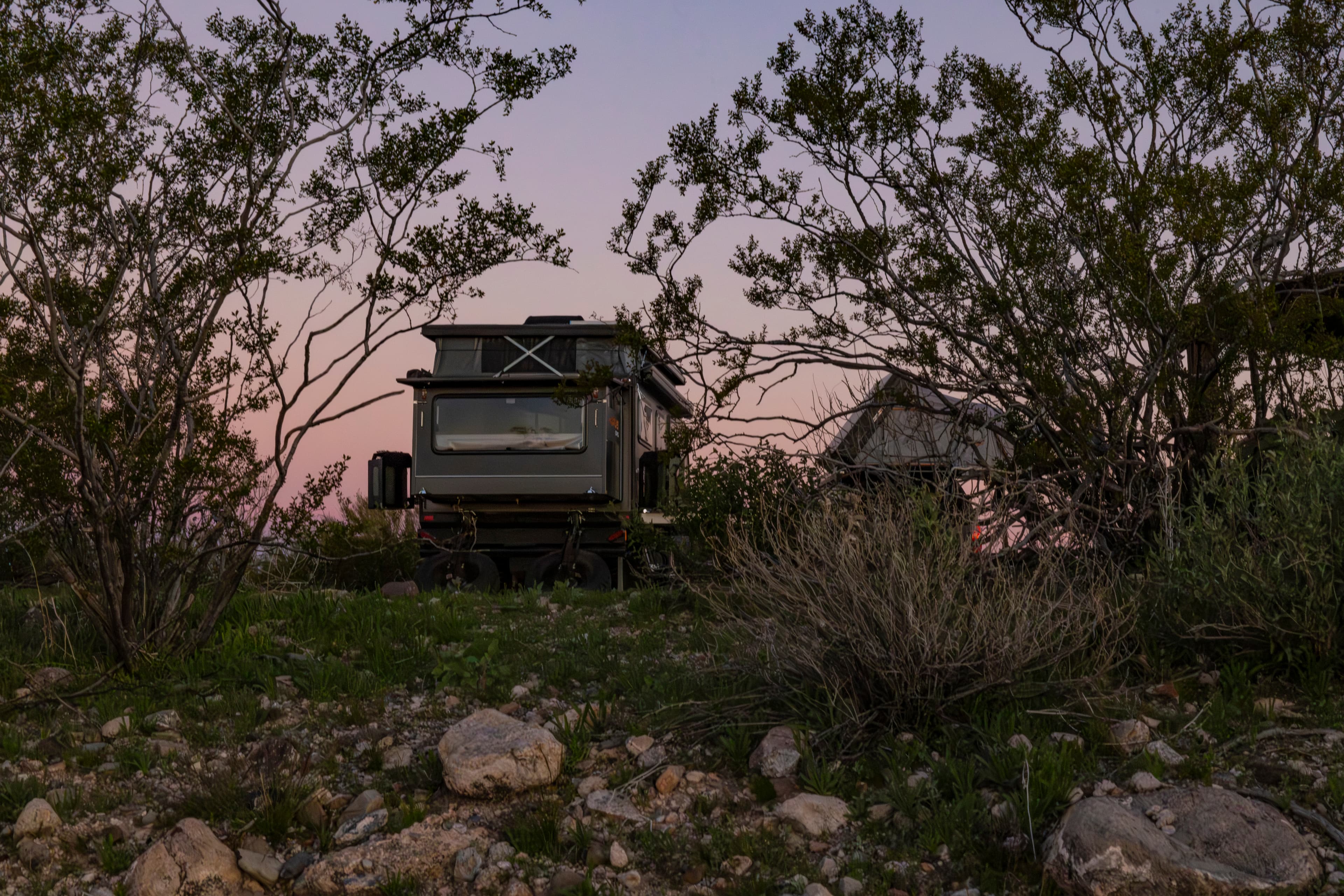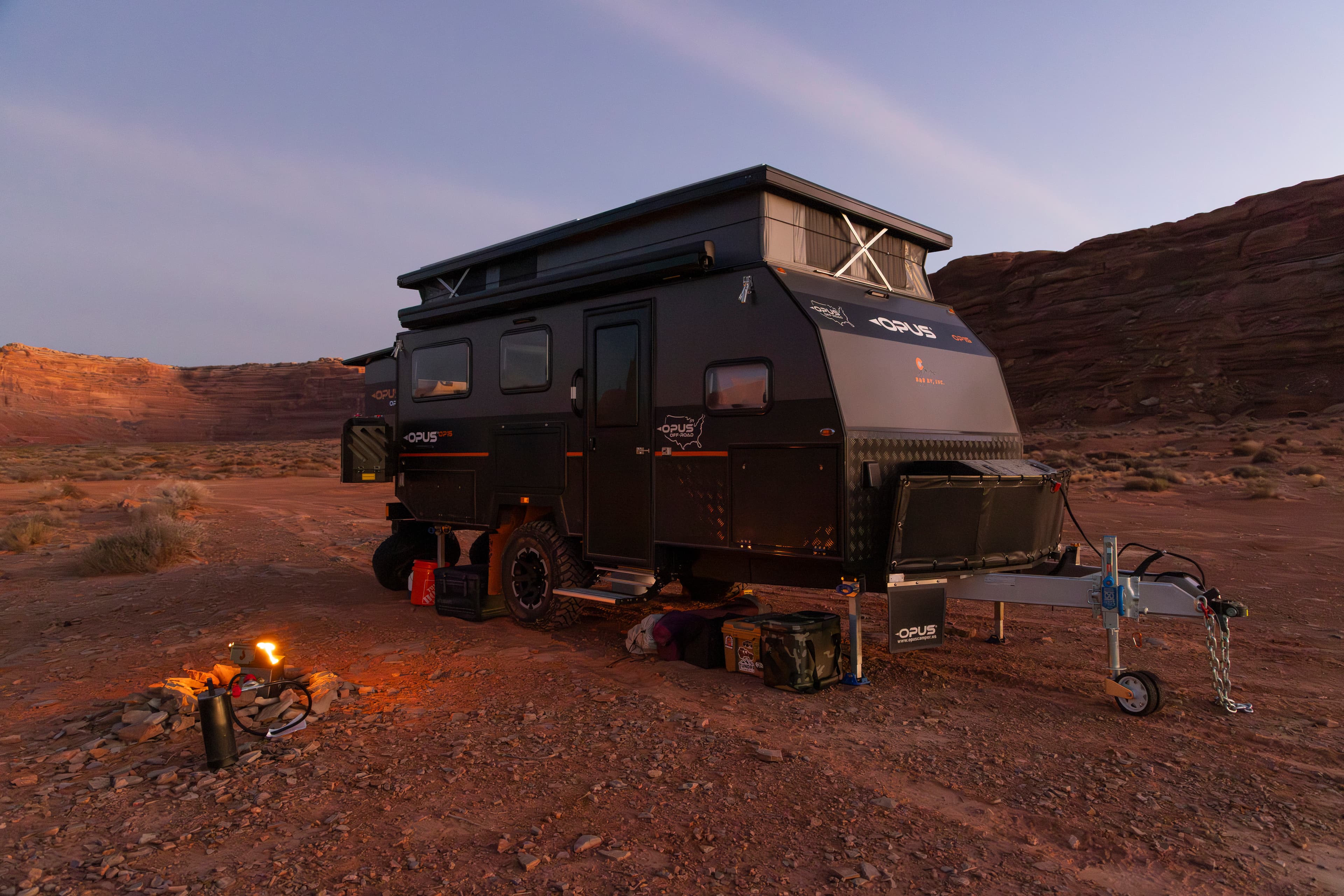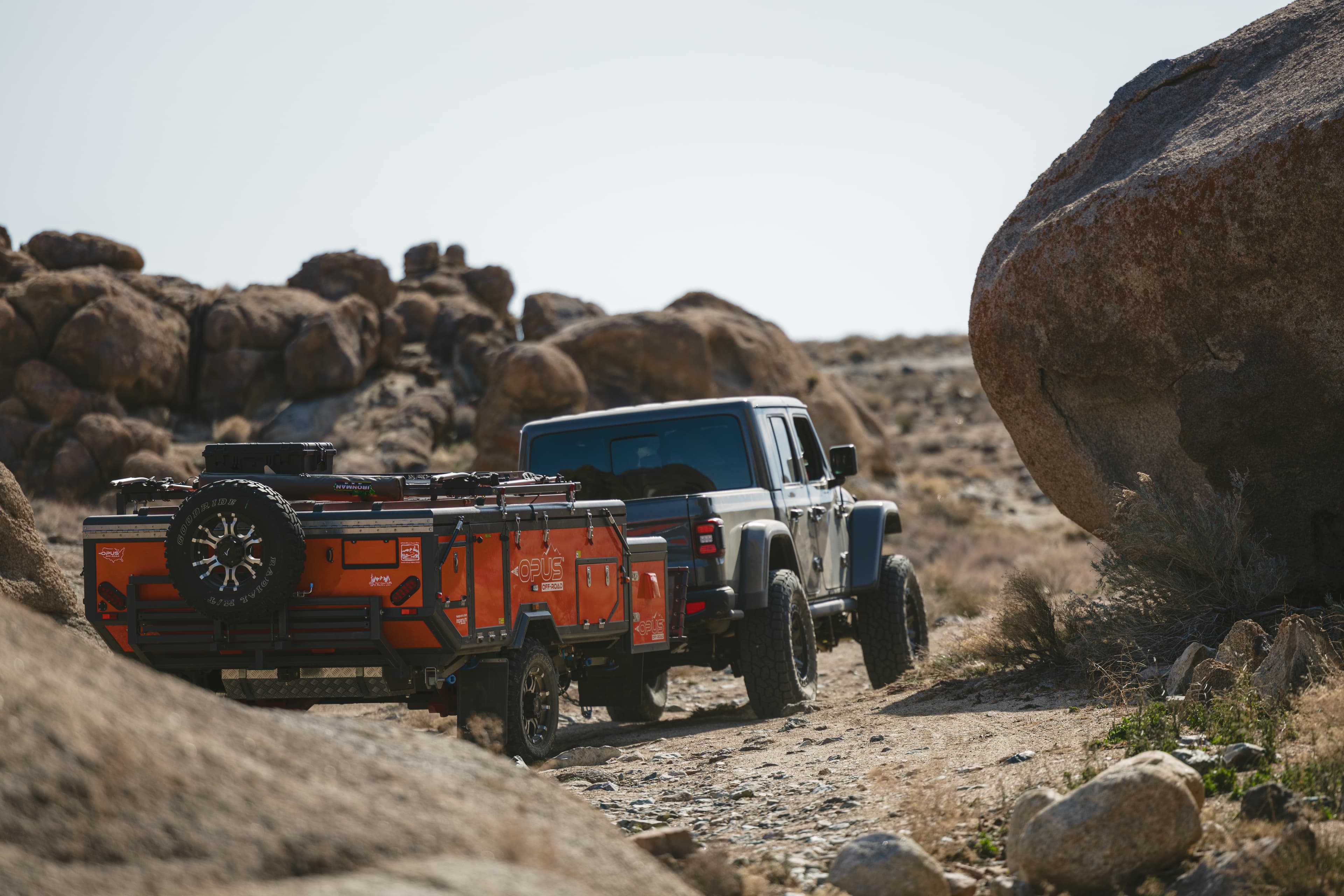
If you love getting off the beaten path, you already know the challenge: most rugged camper trailers are either too heavy to tow comfortably or too stripped down to be practical. In 2026, buyers want both. They want something light enough to tow with confidence and tough enough to handle washboard roads, uneven campsites, and long weekends far from crowded campgrounds.
That’s where lightweight off-road camper trailers stand out.
The best models combine smart construction, capable suspension, durable tires, and compact floorplans that let you explore more without overloading your vehicle. Whether you’re a weekend adventurer, a national parks traveler, or someone planning extended overland trips, the right trailer can make the difference between a stressful tow and a smooth escape.
Here are 10 lightweight off-road camper trailer features and styles worth looking for in 2026.
1. Compact Single-Axle Trailers for Easy Towing
For many travelers, a compact single-axle trailer is the sweet spot. These trailers are easier to maneuver, easier to store, and typically lighter than larger dual-axle options. That makes them a strong fit for drivers who want off-road capability without committing to an oversized rig.
A well-built single-axle off-road camper can still include sleeping space, storage, power options, and a functional galley while keeping towing simpler on narrow trails and backroads.
Why buyers like them:
- Lower overall trailer weight
- Easier backing and parking
- Better fit for smaller tow vehicles
- Ideal for quick getaways and shorter trips
2. Trailers with Independent Suspension
Suspension is one of the biggest differences between a basic trailer and one built for rougher terrain. Independent suspension helps each wheel respond separately to bumps and uneven ground, which can improve handling and reduce stress on the trailer body.
If you’re planning to leave paved roads regularly, this is one of the most important features to prioritize.
What to look for:
- Independent trailing arm suspension
- Reinforced chassis
- Ground clearance designed for uneven terrain
- Shock absorption that reduces bouncing on rough roads
3. Lightweight Campers Built with Aluminum Construction
Weight savings often start with materials. Aluminum framing and composite construction can reduce total weight compared to heavier traditional builds while still delivering strength and durability.
That lighter construction helps with towing, fuel efficiency, and day-to-day usability. It can also make the trailer more appealing to buyers who don’t want to upgrade to a full-size truck just to enjoy off-grid travel.
Benefits of lightweight materials:
- Reduced tow burden
- Better corrosion resistance
- More efficient long-distance travel
- Strong balance of durability and portability
4. Off-Road Teardrop Trailers with Big Capability
Teardrop trailers continue to be popular for a reason. They’re compact, efficient, and surprisingly adventure-ready when designed for off-road use. In 2026, many buyers are choosing rugged teardrop campers for their low profile, lighter build, and simple setup.
These are especially appealing for couples or solo travelers who want a weather-protected sleeping space and a trailer that feels nimble behind the vehicle.
Best for:
- Minimalist campers
- Couples
- Short- to mid-length road trips
- Travelers who want easy setup at camp
5. Trailers with All-Terrain Tires and Higher Ground Clearance
Not every “adventure trailer” is truly off-road ready. A real off-road camper should be designed to handle uneven surfaces, loose gravel, mud, and rutted access roads. Two visible signs of that are all-terrain tires and higher ground clearance.
These features can help the trailer track better on rough surfaces and reduce the chances of scraping or bottoming out on uneven terrain.
Why this matters:
- Better traction on varied surfaces
- More confidence on forest roads and trailheads
- Improved clearance over obstacles
- Better match for overland-style travel
6. Campers with Smart Exterior Storage
Lightweight trailers need to make the most of every inch, and exterior storage is a huge part of that. In 2026, buyers are looking for off-road trailers that can hold recovery gear, camp chairs, tools, water cans, and outdoor essentials without cluttering the sleeping space.
The best layouts make storage easy to access while keeping gear secure on rough roads.
Popular storage features include:
- Front utility boxes
- Rear cargo racks
- Lockable side compartments
- Dedicated storage for outdoor cooking gear
7. Off-Grid Ready Models with Solar and Battery Systems
Many outdoor travelers want to stay farther from hookups, which is why off-grid power is becoming a must-have rather than a nice-to-have. Lightweight off-road trailers with solar prep, battery systems, and efficient power management are especially attractive in 2026.
These setups let campers run lights, charge devices, power fans, and support basic comforts without relying on traditional campgrounds.
Look for options like:
- Roof-mounted solar panels
- Lithium battery upgrades
- Solar controller integration
- Efficient interior lighting and appliance choices
8. Rugged Camp Kitchens for Outdoor Cooking
One of the most-loved features in compact off-road campers is the outdoor kitchen. A practical galley setup can turn a lightweight trailer into a highly functional basecamp without increasing interior bulk.
Slide-out kitchens, durable prep surfaces, and organized storage help travelers cook efficiently while keeping the trailer compact and tow-friendly.
Features buyers value most:
- Slide-out cook stations
- Integrated storage drawers
- Easy-clean surfaces
- Space for coolers, fridges, or portable stoves
9. Lightweight Family-Friendly Off-Road Trailers
Not every lightweight trailer is just for solo travelers or couples. Some 2026 models are designed to maximize sleeping capacity and storage while keeping weight manageable for families who want more adventure without jumping to a full-size RV.
These trailers often use flexible sleeping layouts, rooftop tent compatibility, or convertible interior spaces to extend their usefulness.
Good fit for:
- Small families
- Parents with young kids
- Campers who want compact towing with more sleeping space
- Travelers balancing comfort and simplicity
10. Premium Lightweight Off-Road Campers with Refined Design
A growing number of shoppers want a trailer that feels both rugged and polished. Premium lightweight off-road campers are gaining attention because they blend trail-ready engineering with better finishes, more thoughtful layouts, and elevated comfort features.
For buyers who want to travel often and invest in long-term quality, this category is especially compelling.
Common premium upgrades:
- Better insulation
- Higher-end cabinetry or finishes
- Advanced power systems
- Improved weather sealing
- Refined sleeping and storage design
How to Choose the Right Lightweight Off-Road Camper Trailer
The best trailer for you depends on how you travel. Before choosing a model, think through a few core questions:
- What vehicle will you tow with?
- How often will you be off pavement?
- Do you want a minimalist setup or more built-in comfort?
- Are you camping mainly as a solo traveler, couple, or family?
- How important are solar, storage, and kitchen features?
A lightweight off-road camper trailer should make your adventures easier, not more complicated. The right one will match your tow vehicle, your camping style, and the kind of terrain you actually plan to explore.
Final Thoughts
In 2026, lightweight off-road camper trailers are giving travelers more freedom than ever. You no longer have to choose between rugged capability and manageable towing. With the right combination of smart design, durable construction, and off-grid functionality, a lightweight trailer can open up more campsites, more routes, and more spontaneous weekends away.
If you’re comparing options, focus on the features that will matter most once you leave the pavement: suspension, weight, storage, power, and real-world usability. The best trailer is the one that helps you travel farther with confidence and keeps the experience simple once you arrive.